
El Niño 2026: Are Your Basement Pumps Ready for Heavy Rain in London?

El Niño 2026: Are Your Basement Pumps Ready for Heavy Rain in London?
After a long spell of warmer, drier weather, your basement pumps might be the last thing on your mind.
But with El Niño potentially influencing wetter and stormier conditions across the UK, now is a sensible time for London homeowners, property managers and facilities teams to check that their basement pumping systems are ready for increased rainfall.
At London Basement Pumps, we know from experience that the worst time to discover a problem with a basement pump is when the rain is already falling.
A pump system can sit quietly for weeks or months, only to be called into continuous operation when groundwater levels rise.
That's when maintenance matters.
What Is El Niño – and Why Does It Matter in London?
El Niño is a naturally occurring climate pattern associated with unusually warm ocean temperatures in parts of the tropical Pacific.
Although this happens thousands of miles away, it can influence weather patterns around the world.
For the UK, El Niño can increase the likelihood of wetter, windier and more unsettled conditions during parts of autumn and winter. It doesn't guarantee flooding in London, but it can alter the chances of the type of sustained rainfall and stormy weather that puts drainage and pumping systems under greater pressure.
For properties with basements, that's something worth preparing for.
Heavy Rain Can Put Basement Pumping Systems to the Test
A properly designed basement pumping system may spend much of its life operating under relatively light conditions.
Then heavy rain arrives.
Groundwater levels can rise and significantly more water may enter the sump chamber. The pumps may start more frequently and run for longer periods as the system attempts to keep the water level under control.
This is precisely when a small existing fault can become a major problem.
A worn pump, unreliable float switch, restricted discharge pipe, failing non-return valve or faulty control panel might go unnoticed during dry weather.
Under heavy rainfall, the same problem could prevent the basement pump from keeping up with incoming water.
Is Your Basement Pump Actually Performing Properly?
There is an important difference between a pump that runs and a pump that performs correctly.
Hearing your basement pump switch on doesn't necessarily mean everything is fine.
A submersible water pump can still operate while suffering from reduced performance. Wear, debris, restrictions and mechanical deterioration can all affect the amount of water a pump can actually move.
That's why professional servicing should involve more than simply switching the pump on and listening to it run.
The complete system needs to be considered.
At London Basement Pumps, our work involves inspecting and maintaining basement pumps, controls, floats, alarms, valves, discharge arrangements and associated equipment.
The objective is straightforward:
When your pumping system is needed, it needs to work.
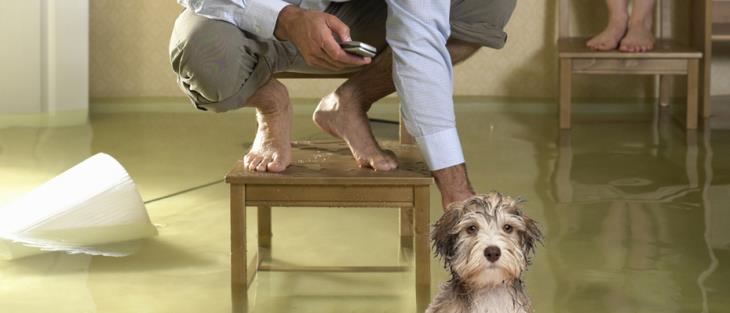
Why London's Basements Need Reliable Pumps
London presents particular challenges for below-ground properties.
The capital contains huge areas of roofs, roads, driveways, paving and other hard surfaces. During intense rainfall, large quantities of water can enter drainage systems over a relatively short period.
Basements are naturally vulnerable because they're below ground level.
Many waterproofed basements therefore depend on basement pumping systems to collect and remove groundwater before it can cause damage.
For these properties, the pumps aren't simply another piece of mechanical equipment.
They're part of the property's flood protection.
Whether the installation uses a single submersible water pump, twin pumps, a packaged pumping station or a more sophisticated duty-and-standby arrangement, reliability is essential.
What Happens to Your Basement Pumps During a Storm?
Imagine a prolonged period of heavy rainfall across London.
Groundwater begins entering the sump chamber faster than normal.
The first basement pump activates.
The water level drops.
More water arrives.
The pump activates again.
This cycle can continue repeatedly throughout the storm.
In a correctly designed twin-pump system, a second pump may provide additional protection if demand increases or the primary pump develops a fault.
But there's an important point:
The standby pump is only useful if it works.
If the second pump hasn't operated for months and hasn't been properly tested, assuming it will work perfectly when required is a risk.
Regular servicing of basement pumping systems helps identify these problems before extreme weather does.
And What Happens If London Has a Power Cut?
There's another vulnerability that property owners sometimes overlook.
Most electrically powered basement pumps require mains electricity.
If severe weather causes a power interruption while groundwater continues entering the sump, the primary pumping system could stop operating.
The water doesn't stop because the electricity has.
For appropriate installations, a correctly designed battery backup system can provide additional protection.
A backup pump can continue removing water for a period when mains power isn't available.
However, backup equipment also needs maintenance.
Batteries deteriorate.
Chargers can develop faults.
Connections can corrode.
Backup pumps can seize or become obstructed.
A battery backup system that hasn't been tested for years shouldn't automatically be assumed to provide reliable protection.
Your El Niño Basement Pump Checklist
Before London's wetter weather arrives, check the following:
-
When were your basement pumps last professionally serviced?
-
Have all duty and standby pumps been tested?
-
Are the float switches operating at the correct water levels?
-
Has the high-level alarm been tested?
-
Is the submersible water pump clean and operating correctly?
-
Have non-return valves been inspected?
-
Is the discharge pipework clear and unrestricted?
-
Is the control panel operating correctly?
-
Does the property have battery backup?
-
If battery backup is installed, when were the batteries last tested?
-
Has the overall performance of the basement pumping system been assessed?
If you don't know the answers to several of those questions, arranging a professional inspection before prolonged heavy rainfall makes sense.
Don't Judge Pumps by Noise Alone
This deserves repeating.
Noise is not performance.
We've seen pumps that appear to be operating normally but aren't delivering the performance expected of them.
A submersible water pump operates in a demanding environment. Depending on the installation, it may be exposed to groundwater, sediment, debris and long periods between operation.
Components wear.
Performance changes.
That's why preventative maintenance is so important for basement pumping systems.
Waiting until water is rising inside the chamber isn't preventative maintenance. It's an emergency.
London Pumps Need London Experience
Basement properties across London vary enormously.
A pumping installation beneath a Kensington townhouse can have very different requirements from a commercial basement in Westminster, an apartment development in Chelsea or a converted property elsewhere in Greater London.
There isn't one pump that's correct for every property.
The right solution depends on factors including incoming water volume, pumping head, discharge arrangements, chamber design, electrical supply, controls and the consequences of system failure.
When you're dealing with London pumps protecting valuable below-ground spaces, correct specification and professional maintenance matter.
Simply fitting a larger pump isn't automatically the answer.
The entire pumping system needs to work together.
Don't Wait Until the Rain Starts
El Niño doesn't mean London will definitely flood.
Nor does a weather forecast tell us exactly what will happen to an individual property.
But forecasts of potentially wetter and stormier conditions provide a useful reminder to inspect equipment that may have been largely forgotten during the dry months.
Your basement pumps might currently be sitting quietly underneath the floor.
That's exactly when you should check them.
Once severe rain begins, engineers become busier, emergency calls increase and a minor maintenance issue can quickly become an urgent problem.
Professional Basement Pump Servicing in London
London Basement Pumps specialises in the inspection, servicing, maintenance, fault diagnosis and repair of basement pumping systems across London.
We work with:
- basement pumps;
- groundwater pumping systems;
- foul water pumping systems;
- submersible water pumps;
- sump pumps;
- packaged pumping stations;
- duty and standby pumps;
- battery backup systems;
- control panels; and
- high-level alarms.
Whether you have one basement pump or a larger multi-pump installation, regular maintenance helps ensure the equipment is ready when it's actually needed.
Is Your Basement Ready for the Next Storm?
You can't control El Niño.
You can't control London's rainfall.
But you can make sure the equipment protecting your basement has been inspected, tested and maintained.
Talk to the team today on how we can assist you in the best technical way to protect your home or business.
Freephone 0800 009 2120. or use our Contact Us page to find out more..